第14章:Aggregateの入口(更新ルートを1つに絞る)🚪👑
この章のゴールはこれっ👇 **「子(LineItemとか)をいじるときは、必ず“親(Aggregate Root)”を通す」**って体にしみ込ませることです☺️🧠💕
0) まず“Aggregate”って何者?📦✨
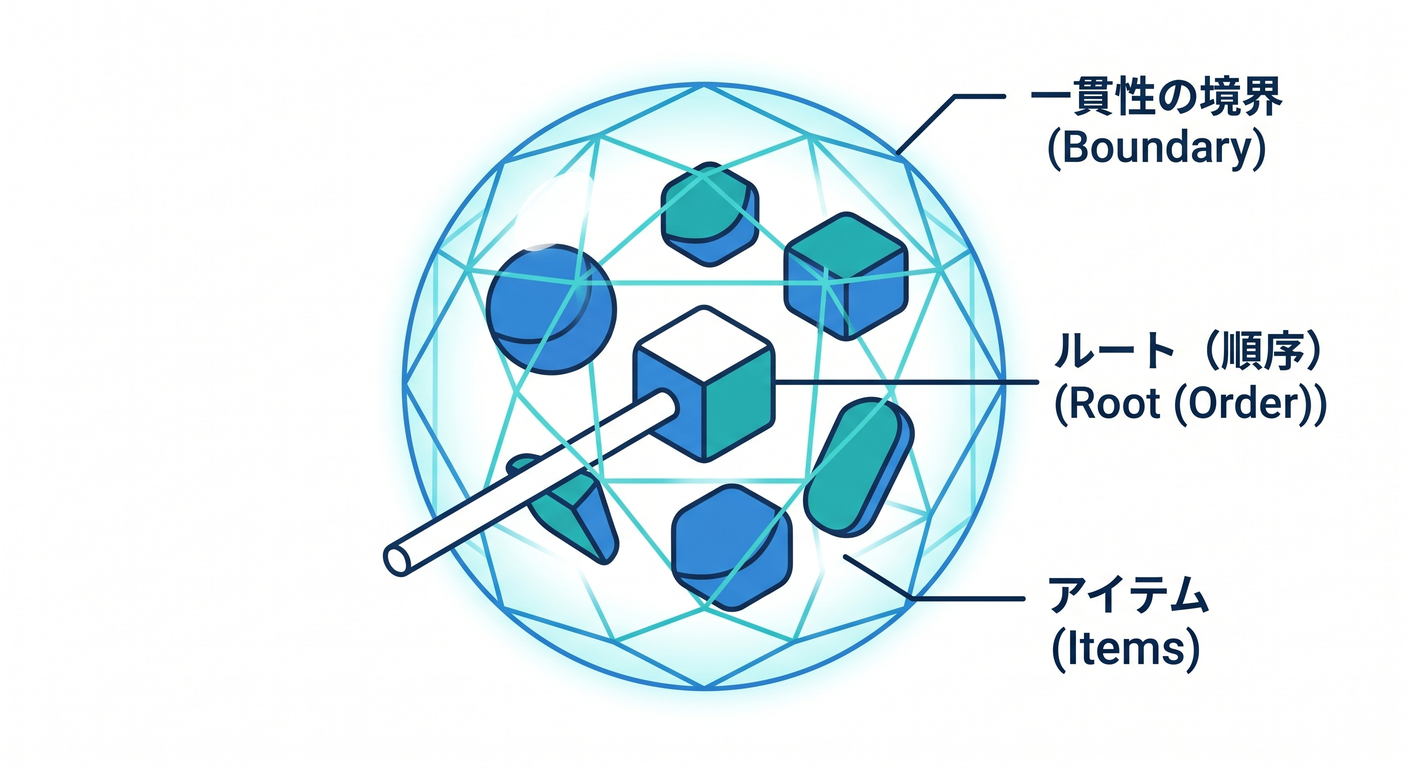
Aggregate(集約)はひとことで言うと…
**「この範囲の中は、いまこの瞬間もルールが正しい(整合してる)って約束する境界」**🎀
そして、その境界の代表が Aggregate Root(集約ルート) だよ👑
- 集約の中には Entity が複数いてOK
- でも 外から触っていいのは Root だけ🙅♀️
- 参照・検索も基本は Root のID で行うよ🔍🪪 (Microsoft Learn)
1) なぜ「更新ルート1本化」が必要なの?🚑💥
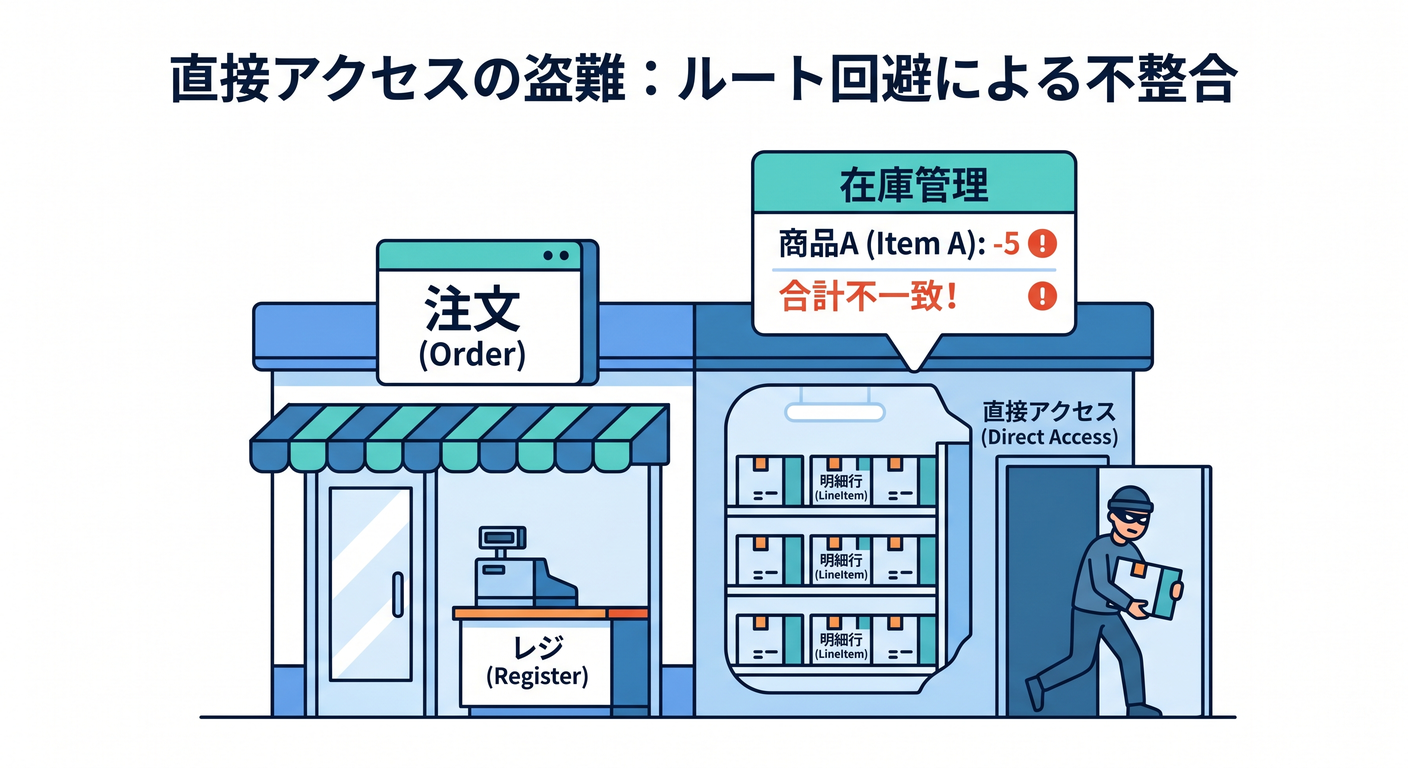
ありがちな事故😇💦
「Order の中の LineItem を、外側のコードが直接いじれる」状態だと…
- LineItem を消したのに合計金額が更新されない💸
- 数量が 0 や -3 になってしまう😱
- 「支払い済みなのに、商品が追加できちゃった」みたいな状態が起きる🌀
つまり… ルール(不変条件)が“あちこち”で破られるのが一番こわい😵💫
2) この章のキーワード3つだけ覚えよ💡🧸
✅(1) 整合性境界(Consistency Boundary)🧱
- 集約の中だけは、更新が終わった時点で必ずルールが成立してる状態にする🎯 (Microsoft Learn)
✅(2) Root 経由のみ更新(Only through Root)🚪
- 子Entity/VOを外から直で触らせない🙅♀️
- Rootのメソッドで更新する✨
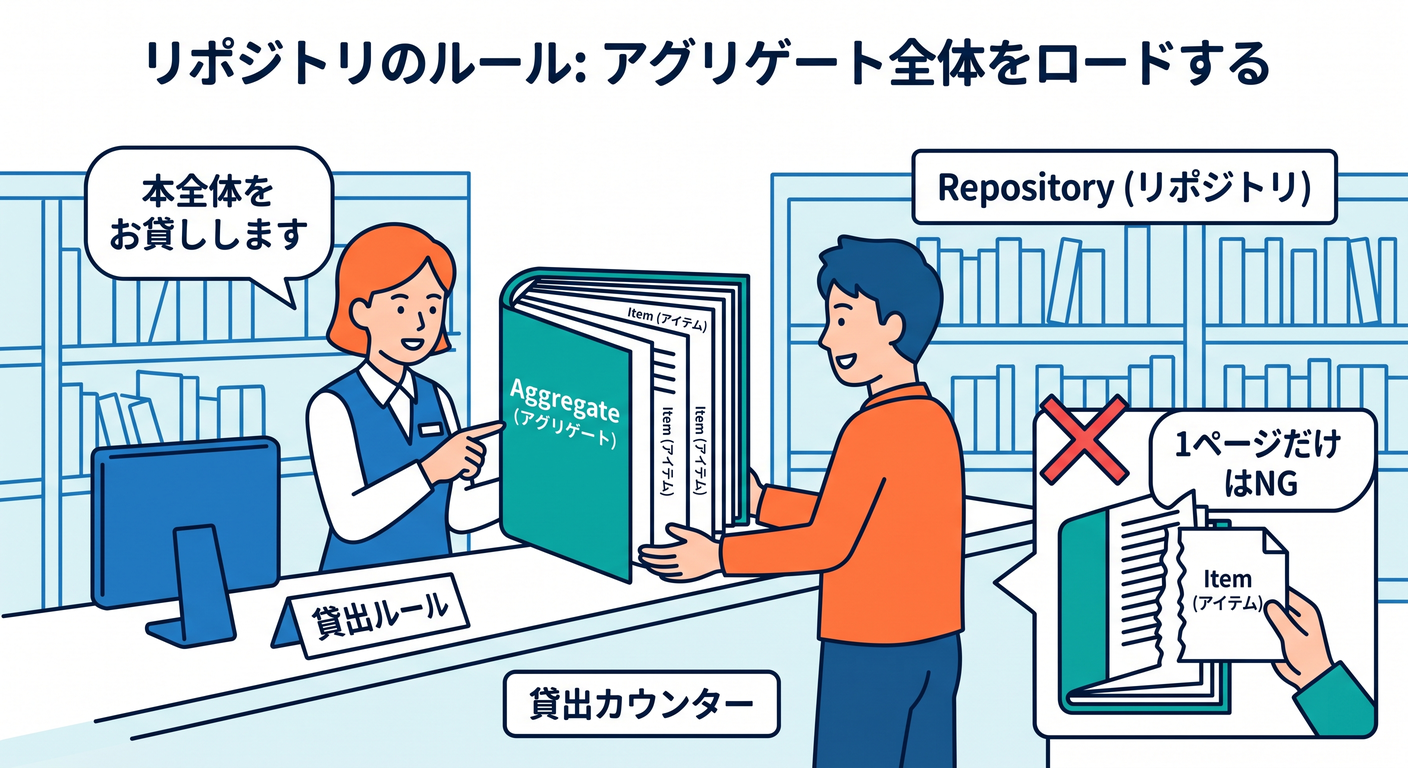
✅(3) RepositoryはRootに1つ(子に作らない)📚
- DB都合で「LineItemRepository」とか作り始めると、境界が崩れやすい💥
- 集約ルート単位で永続化が基本だよ🧼 (Microsoft Learn)
3) 図でイメージ掴も〜🖼️✨
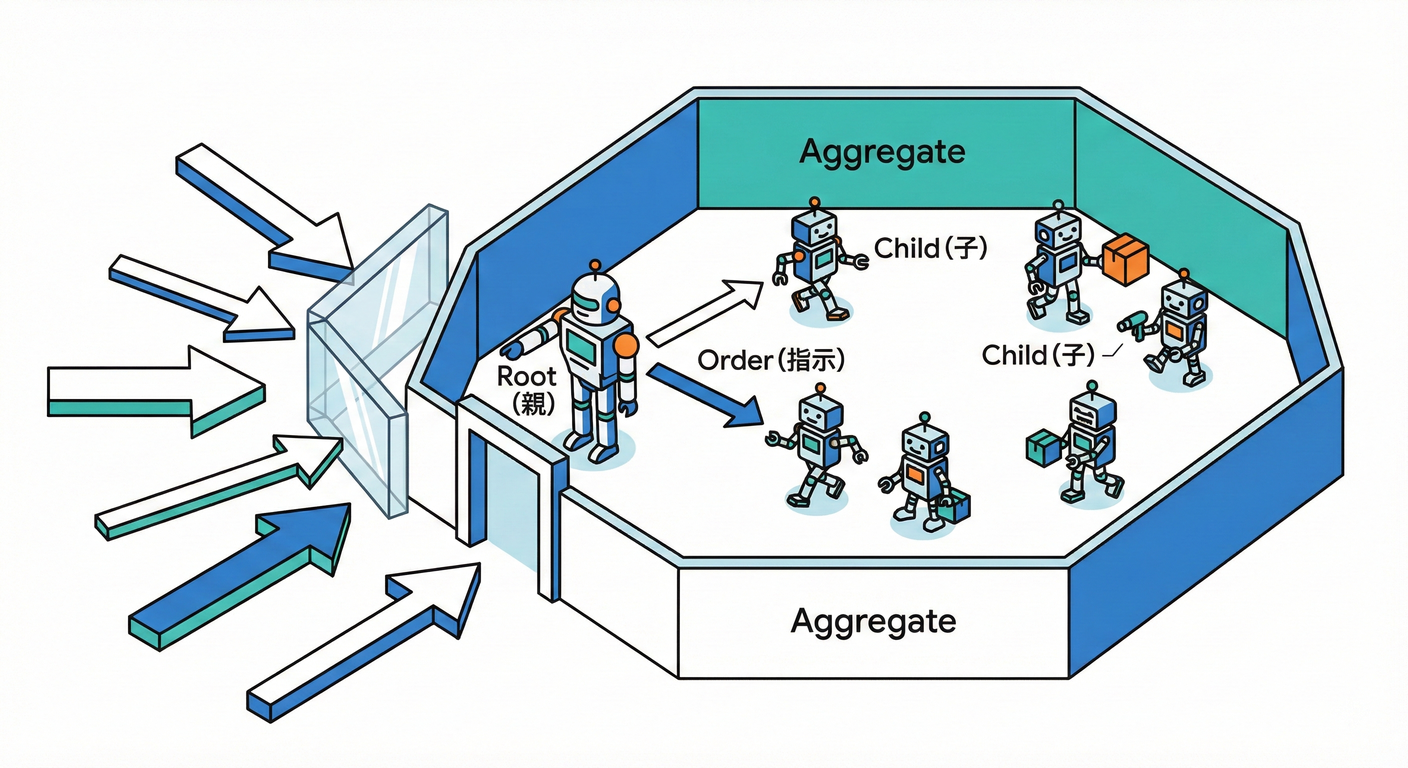
🙅♀️ダメな構造(外から子を直接触れる)
- Order を取ってきた
- items 配列をそのまま触れる
- ルールが Order の外に漏れる💧
🙆♀️いい構造(Rootが入口🚪)
UI/Service ──▶ order.addItem(...)
            └▶ order.changeQuantity(...)
                 ↑ここで全部ルールチェック✅
4) “やりたいルール”を先に決めよう🧾✨(ここ超大事!)
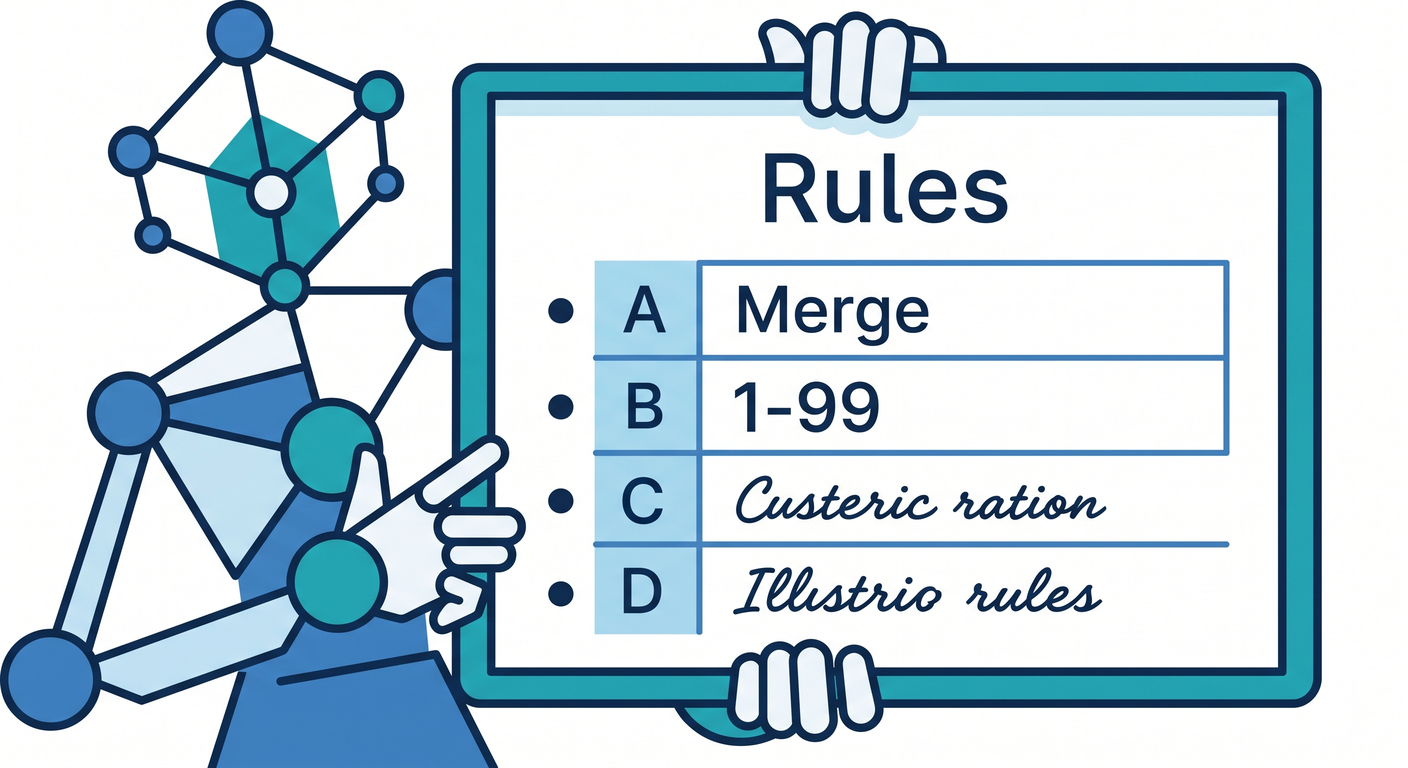
今回は Order を例に、こんなルールにするね☺️🍰
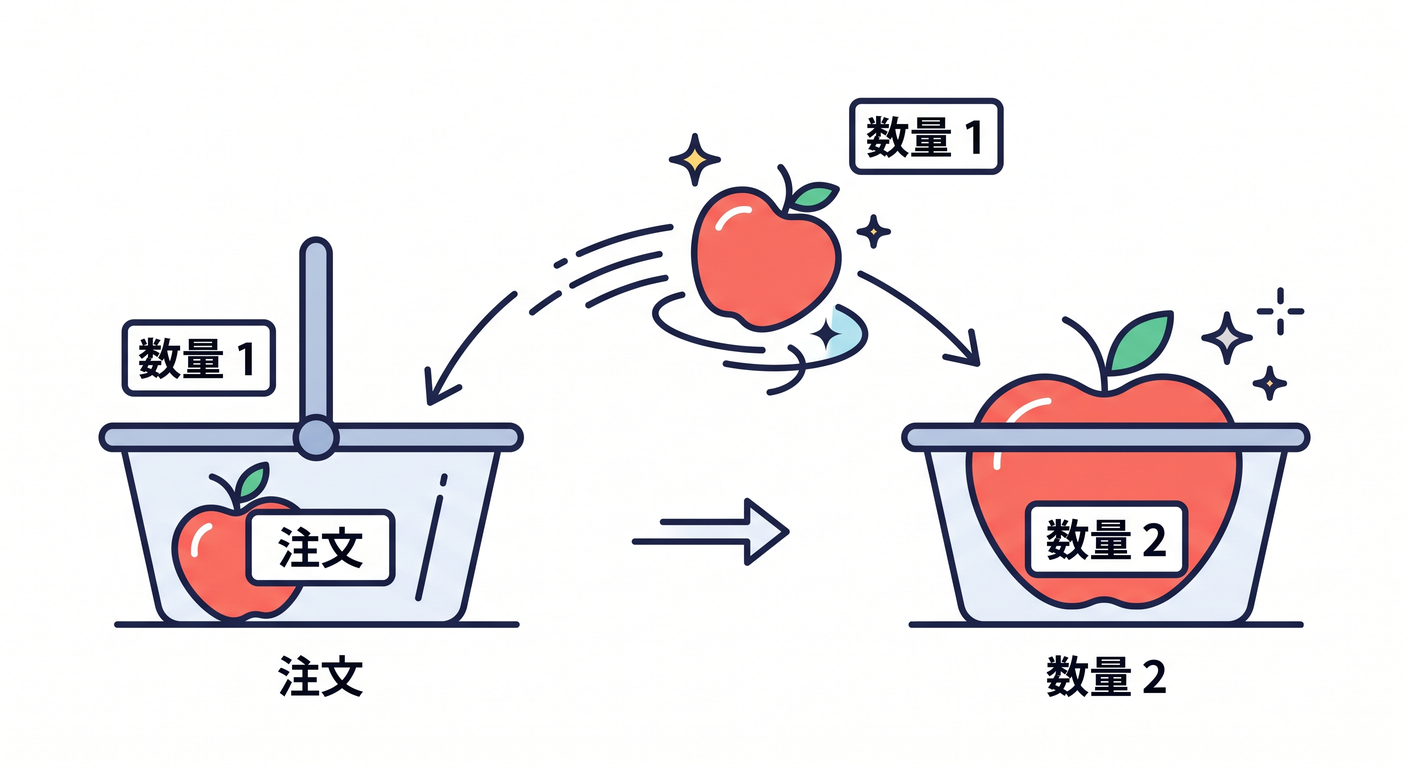
- ルールA:**同じ商品は1行にまとめる(重複行を作らない)**🧺
- ルールB:数量は 1〜99🔢
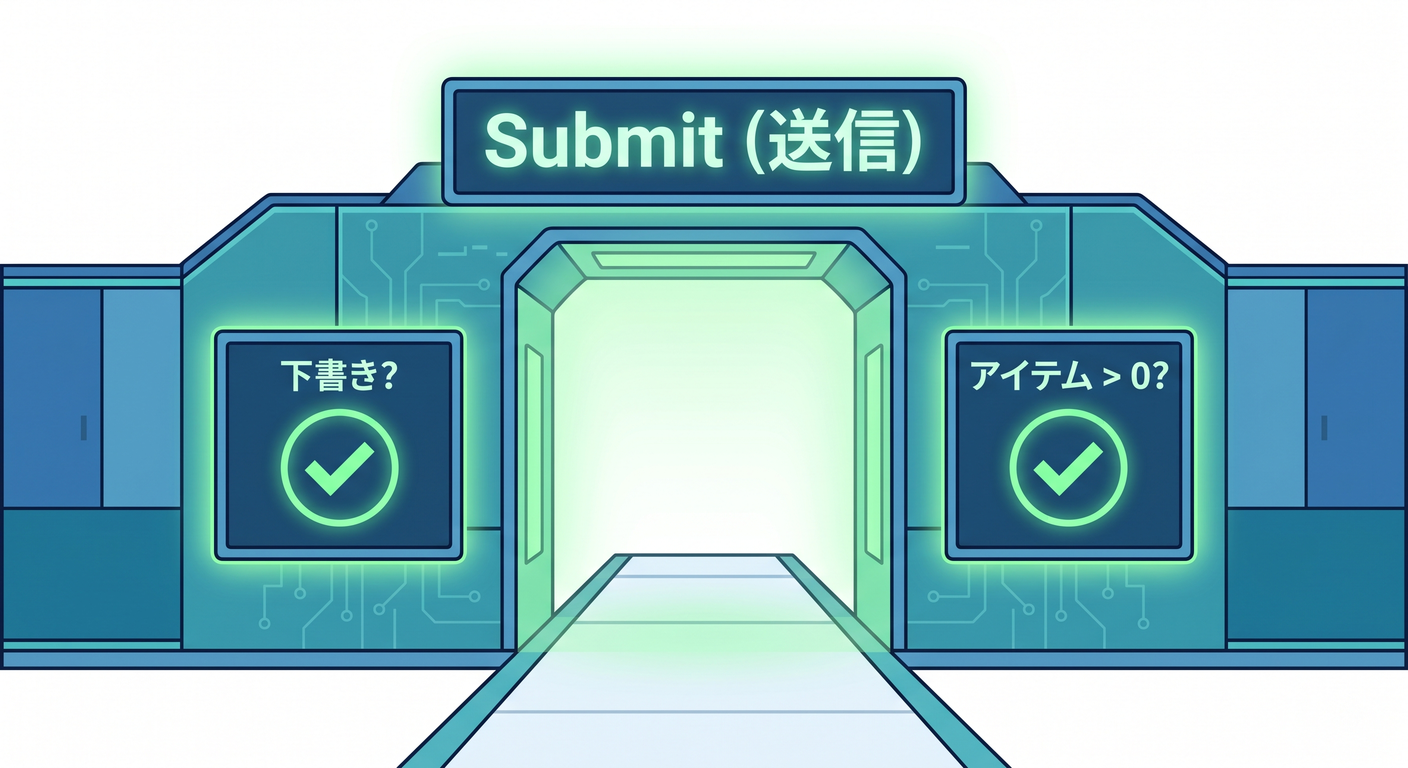
- ルールC:支払い済み(Paid)なら明細を変更できない💳🚫
- ルールD:明細が0件なら Submit できない📭🚫
この「A〜D」を守る責任者が、**Order(Aggregate Root)**だよ👑✨
5) 実装してみよ〜(TypeScript)🛠️💖
ポイント🌟
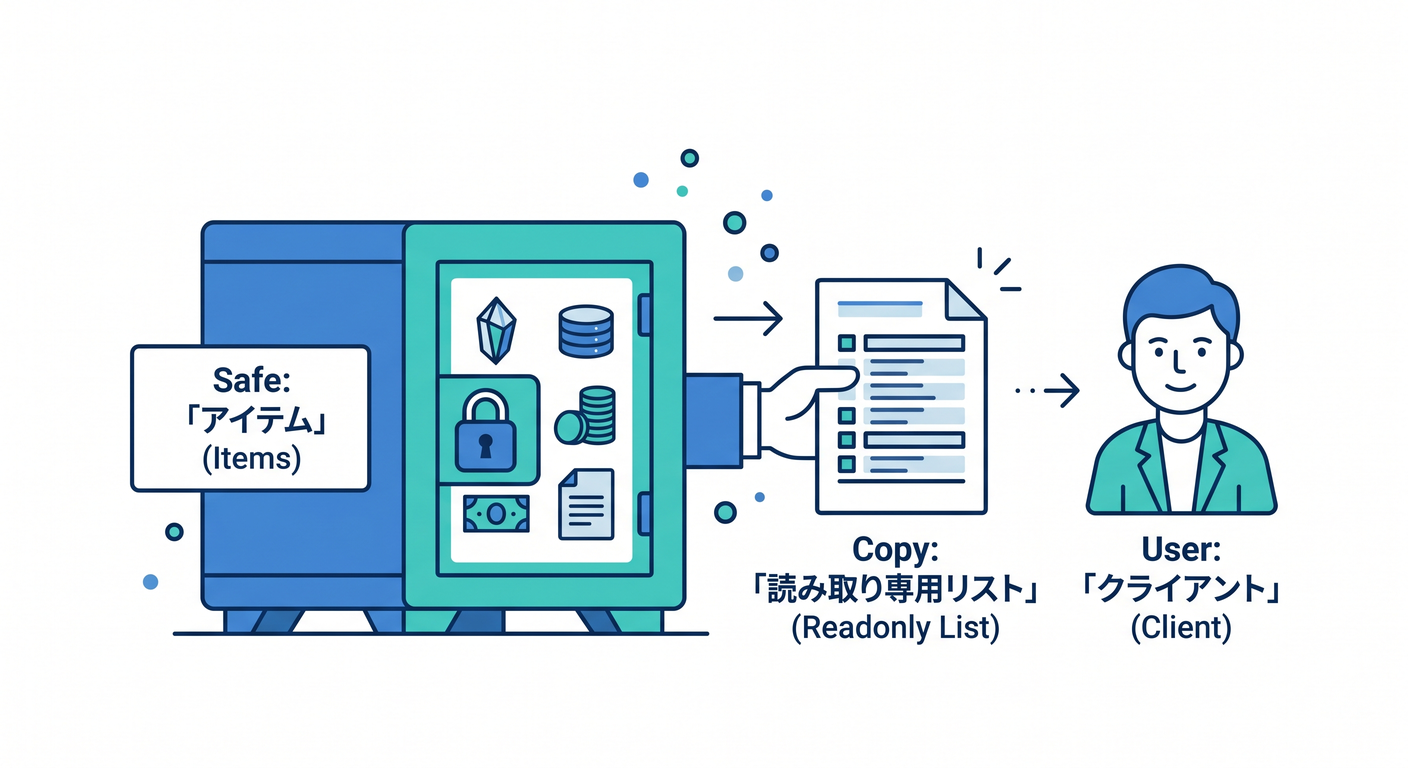
itemsは private にして外からいじれないようにする🔒- 外に出すときは 読み取り専用(コピー)にする🧊
- 更新は
addItem/changeQuantity/removeItemみたいに Orderのメソッドだけに集約する🚪
// ちょい簡略版(学習用)💡
// 実務では Result 型や DomainError などに発展させていくと強いよ✨
type OrderStatus = "Draft" | "Submitted" | "Paid" | "Cancelled";
class Quantity {
private constructor(public readonly value: number) {}
static create(n: number): Quantity {
if (!Number.isInteger(n)) throw new Error("数量は整数だよ🥺");
if (n < 1 || n > 99) throw new Error("数量は1〜99だよ🥺");
return new Quantity(n);
}
add(other: Quantity): Quantity {
return Quantity.create(this.value + other.value);
}
}
class ProductId {
private constructor(public readonly value: string) {}
static create(v: string): ProductId {
if (v.trim().length === 0) throw new Error("ProductIdが空だよ🥺");
return new ProductId(v);
}
}
class LineItem {
private constructor(
public readonly productId: ProductId,
public readonly quantity: Quantity
) {}
static create(productId: ProductId, quantity: Quantity): LineItem {
return new LineItem(productId, quantity);
}
changeQuantity(quantity: Quantity): LineItem {
return new LineItem(this.productId, quantity);
}
addQuantity(delta: Quantity): LineItem {
return new LineItem(this.productId, this.quantity.add(delta));
}
}
class Order {
private status: OrderStatus = "Draft";
private items: LineItem[] = [];
constructor(public readonly id: string) {}
// 外には「読めるだけ」を渡す(コピー)🧊
get lineItems(): readonly LineItem[] {
return [...this.items];
}
private ensureEditable(): void {
if (this.status === "Paid") throw new Error("支払い済みは変更できないよ💳🚫");
if (this.status === "Cancelled") throw new Error("キャンセル済みは変更できないよ🙅♀️");
}
addItem(productId: ProductId, quantity: Quantity): void {
this.ensureEditable();
const idx = this.items.findIndex(x => x.productId.value === productId.value);
// ルールA:同じ商品はまとめる🧺
if (idx >= 0) {
const merged = this.items[idx].addQuantity(quantity); // Quantity側で上限も守る✅
this.items[idx] = merged;
return;
}
this.items.push(LineItem.create(productId, quantity));
}
changeQuantity(productId: ProductId, quantity: Quantity): void {
this.ensureEditable();
const idx = this.items.findIndex(x => x.productId.value === productId.value);
if (idx < 0) throw new Error("その商品は入ってないよ🥺");
this.items[idx] = this.items[idx].changeQuantity(quantity);
}
removeItem(productId: ProductId): void {
this.ensureEditable();
this.items = this.items.filter(x => x.productId.value !== productId.value);
}
submit(): void {
if (this.status !== "Draft") throw new Error("Draftのときだけ送信できるよ📮");
if (this.items.length === 0) throw new Error("明細0件は送信できないよ📭🚫"); // ルールD
this.status = "Submitted";
}
markPaid(): void {
if (this.status !== "Submitted") throw new Error("Submittedのときだけ支払いにできるよ💳");
this.status = "Paid";
}
}
✅これで、LineItem をどういじっても Order の入口でルールが守られるようになるよ〜!🥳🎉
6) 「RepositoryはRootに1個」の感覚もつかも🧠📚
DDDの定番ルールとして、集約の整合性を保つために
- RepositoryはAggregate Rootごとに1つ
- 子テーブルごとにRepositoryを乱立させない …が推奨されるよ🧼✨ (Microsoft Learn)
(この“永続化”の話は後半章で本格的にやるけど、ここで感覚だけ先取りね😉)
7) 演習(ハンズオン)🧪✨
演習1:ダメ設計を直してね🙅♀️➡️🙆♀️
次の状態を想像してみて👇
order.itemsが public で触れる- 外側のコードが
push/spliceしまくる
✅やること
itemsを private に- 読み取り用
get lineItems()を追加 - 更新は
addItem/changeQuantity/removeItemに寄せる
🎯チェック
- 外側から
order.items.pushができないこと - ルールA〜Dが Order の中だけで守れてること
演習2:新ルール追加してみよ🍓
ルールE:LineItemは最大20件まで(サークル会計でもありがち!)🎒
✅ヒント
addItemの中でthis.items.lengthをチェック- ただし「同じ商品はまとめる」なら、件数は増えないよね?😏🧺
演習3:テストを書こう🧪💪
最低これだけ書けたら勝ち🎉
- 同じ商品を2回 addItem → 行が1行のまま、数量が合算される✅
- Paid にした後 addItem → エラーになる✅
- items 0件で submit → エラーになる✅
8) 小テスト(5問)📘🎀
Q1️⃣ Aggregate Root の役割で一番近いのは?
A. DTOを作る B. 集約内の整合性を守る代表 C. DBのテーブルを表す D. 画面の表示を担当する
Q2️⃣ 直接触っていいのは?
A. 子Entity(LineItem) B. VO(Quantity) C. Root(Order) D. どれでもOK
Q3️⃣ 「Paid のあと変更禁止」みたいなルールはどこに置く?
A. UI B. Root のメソッド入口 C. DBトリガ D. どこでも同じ
Q4️⃣ 「同じ商品は1行にまとめる」はどこで保証する?
A. Root(Order)の addItem B. Controller C. Repository D. Logger
Q5️⃣ Repositoryは基本どの単位?
A. テーブルごと B. 子Entityごと C. Aggregate Rootごと D. 画面ごと
✅答え
Q1=B / Q2=C / Q3=B / Q4=A / Q5=C 🎉 (Rootが“入口”になるのが最大のポイントだよ〜🚪👑)
9) AIプロンプト集(Copilot/Codex向け)🤖✨
そのまま投げてOKだよ〜🫶
- 「OrderをAggregate Rootとして、LineItemを外から変更できない設計にして。TypeScriptで」
- 「このOrderの不変条件(Paid後変更禁止、明細0件Submit禁止、数量範囲)を満たすテストケースを列挙して」
- 「“参照漏れ(reference leak)”が起きそうな箇所を指摘して、直し方を提案して」
- 「addItemで“同一商品はマージ”する実装を、読みやすくリファクタして」
- 「このドメインルールを増やしたい:最大20件、合計金額の下限、状態遷移。拡張しやすい形にして」
10) まとめ🌈✨
この章で一番大事なのはこれっ👇😍
- **集約の中の更新は、必ずRootから!**🚪👑
- Rootが 整合性(不変条件)を守る門番になる🛡️
- 永続化も基本は Root単位で考える📚 (Microsoft Learn)
ちなみに、2026-01-22時点の TypeScript は GitHub releases 上で 5.9.2 が確認できるよ(最新側の改善も入りつつ、基本の書き味は安定してる感じ!)🧡 (GitHub)
次の第15章では、この流れをさらに強化して **「不変条件は“入口”で守ると最強」**🛡️🚪✨ を、もっと気持ちよく仕上げていくよ〜☺️🎀