第79章:Memento ② TypeScript定番:immutable状態+履歴配列🗂️
ねらい🎯
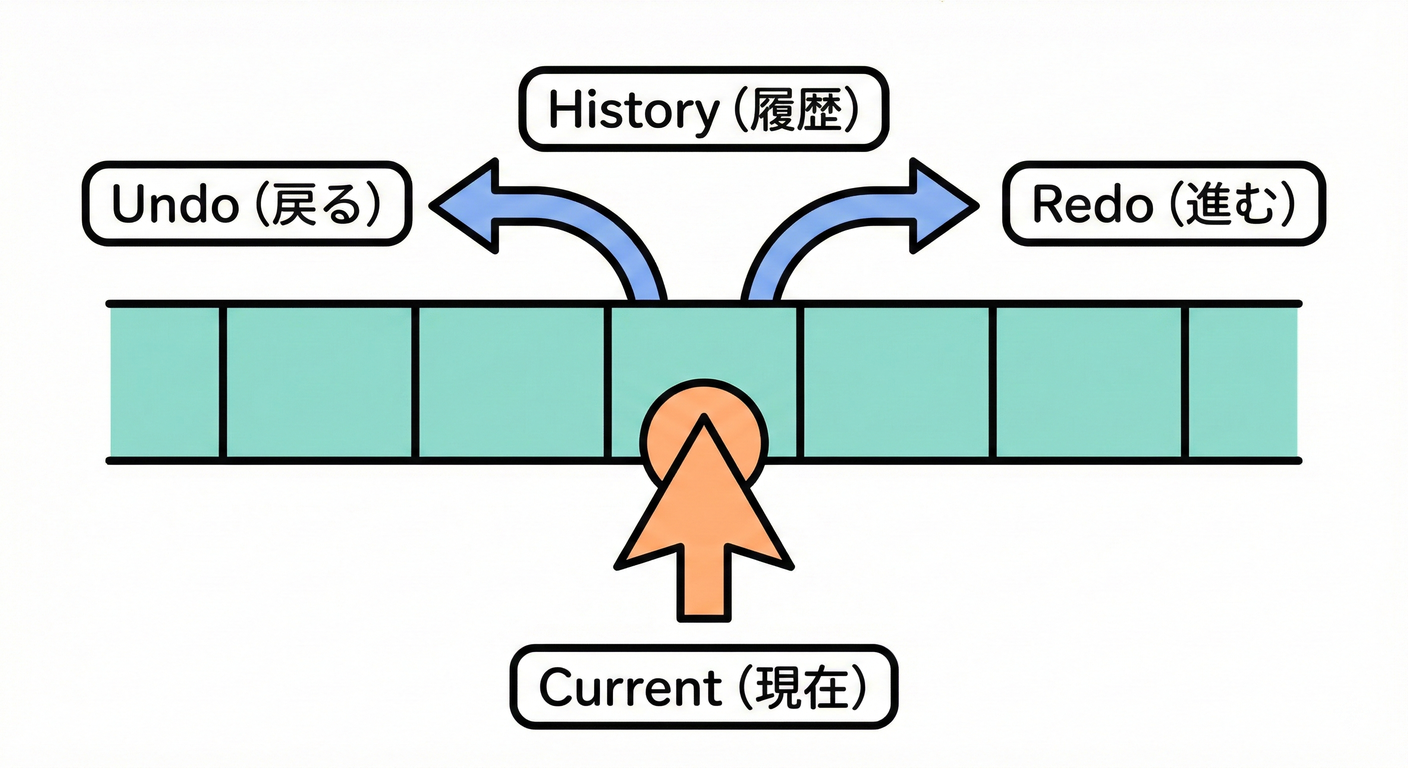
- **Undo/Redo(戻す・進む)**を、TypeScriptらしく 「状態スナップショット+履歴配列+index」 で実装できるようになる💪
- 「オレオレMementoクラス」を作らずに、標準の配列・スプレッド・structuredClone中心で組めるようになる🧁
1) MementoをTSでやるとこうなるよ🧠📸
Mementoって、ざっくり言うと👇
- ある時点の状態を **スナップショット(写真📸)**として保存しておいて
- あとで その写真に戻す(Undo) / 先の写真へ進む(Redo) って感じ!
TypeScriptでは、クラスを盛らずに これだけで成立しがち👇
history: State[](状態の配列)index: number(いまどの状態を見てるか)push / undo / redo(操作関数)
2) “immutable(不変)”が超大事🧊✨
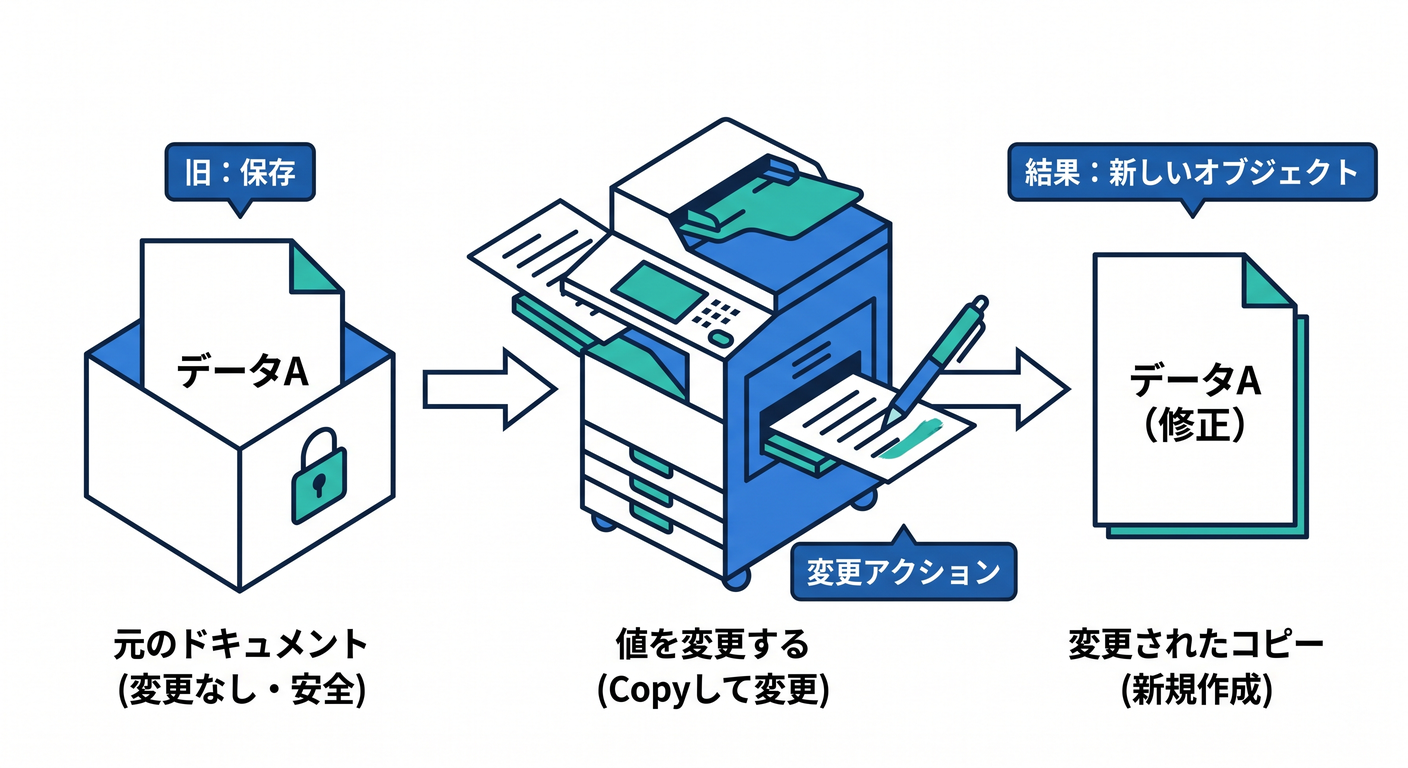
Undo/Redoで一番やばい事故はこれ👇😇
- 「過去のスナップショット」だと思ってたのに、あとから変更されて一緒に変わってた
なので基本方針はこれ👇
- 状態は 毎回コピーして新しいオブジェクトとして作る(スプレッドとか)
- そして履歴には その“新しい状態”を積む
学習中はさらに安全策として、保存時に structuredCloneで丸ごとコピーしておくと事故が減るよ🛡️
structuredClone は Web標準で、Map/Set/Date なども扱える一方、関数やDOMノード等はクローンできないなどの制約があるよ📌 (GitHub)
Node.jsでも structuredClone は グローバル関数として用意されてるよ📦 (nodejs.org)
3) まずは履歴エンジンを“型+関数”で作ろう🧁🧰
ここが第79章の本体!
「状態の型 T」をそのまま扱える 汎用の履歴を作るよ✨
ポイントは3つだけ👇
- push:新しい状態を積む(UndoしてたらRedo側は捨てる🗑️)
- undo:
indexを1つ戻す - redo:
indexを1つ進める
// 履歴の最小データ構造(クラス不要)
export type History<T> = Readonly<{
  states: ReadonlyArray<T>;
  index: number; // 現在位置(0〜states.length-1)
}>;

export function createHistory<T>(initial: T): History<T> {
  return { states: [initial], index: 0 };
}

export function current<T>(h: History<T>): T {
  return h.states[h.index]!;
}

export function canUndo<T>(h: History<T>): boolean {
  return h.index > 0;
}

export function canRedo<T>(h: History<T>): boolean {
  return h.index < h.states.length - 1;
}

/**
 * push: 新しい状態を履歴へ
 * - Undo後にpushしたら、未来(redo)は捨てる
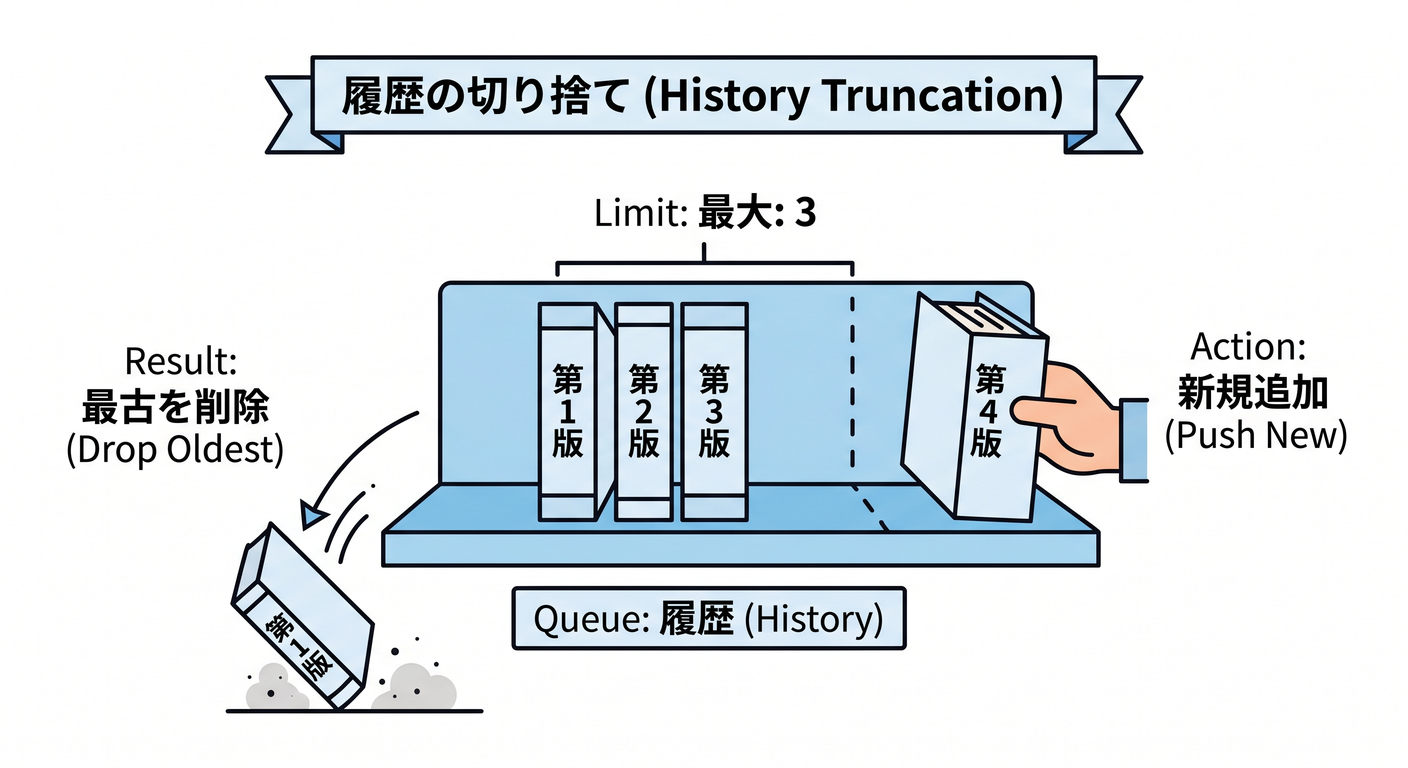
 * - max を指定したら古い履歴を切り捨て(メモリ節約)
 */
export function push<T>(
  h: History<T>,
  next: T,
  options?: { max?: number; clone?: (v: T) => T }
): History<T> {
  const clone = options?.clone ?? ((v: T) => v);

  // 未来を捨てる(redo破棄)
  const trimmed = h.states.slice(0, h.index + 1);

  // 事故防止にクローンして積む(学習中おすすめ)
  const newStates = [...trimmed, clone(next)];

  // max指定があれば古い分を削る
  const max = options?.max;
  if (max && newStates.length > max) {
    const cut = newStates.length - max;
    return {
      states: newStates.slice(cut),
      index: newStates.length - 1 - cut,
    };
  }

  return { states: newStates, index: newStates.length - 1 };
}

export function undo<T>(h: History<T>): History<T> {
  if (!canUndo(h)) return h;
  return { ...h, index: h.index - 1 };
}

export function redo<T>(h: History<T>): History<T> {
  if (!canRedo(h)) return h;
  return { ...h, index: h.index + 1 };
}
✅ ここでの大事ポイント(超よく出るやつ)🧠
- Undo後に編集したらRedoは捨てる:これを忘れると「未来が分岐してカオス」になる🌪️
maxを付けると、履歴が無限に増えなくて安心🧯
4) カフェ注文の“編集”に繋げよう☕🧾✨
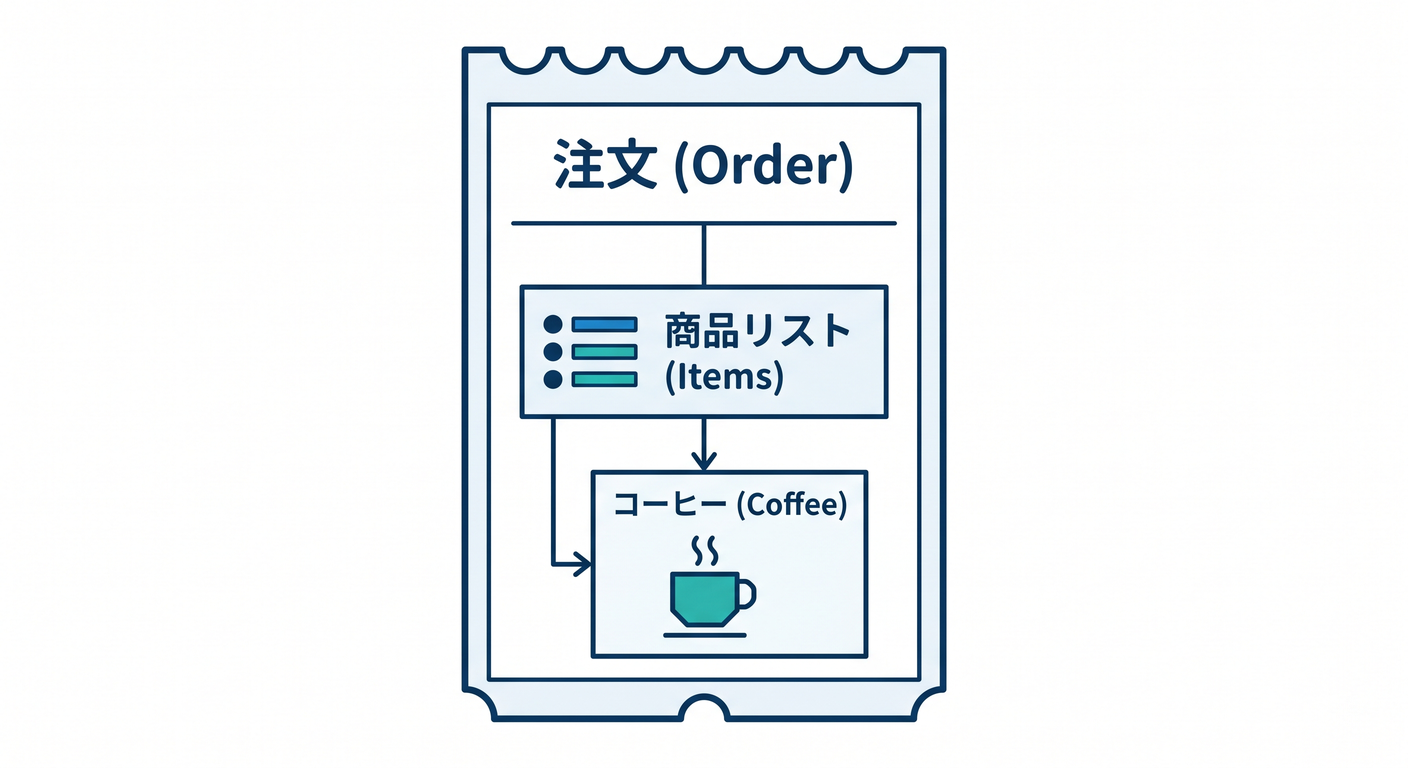
題材はシンプルに👇
Order(注文)addItem/removeItemは 必ず新しいOrderを返す(破壊的変更しない🧊)
export type OrderItem = Readonly<{
  id: string;
  name: string;
  price: number;
  qty: number;
}>;

export type Order = Readonly<{
  items: ReadonlyArray<OrderItem>;
}>;

export function addItem(order: Order, item: Omit<OrderItem, "qty">): Order {
  const existing = order.items.find((x) => x.id === item.id);

  if (!existing) {
    return {
      ...order,
      items: [...order.items, { ...item, qty: 1 }],
    };
  }

  return {
    ...order,
    items: order.items.map((x) =>
      x.id === item.id ? { ...x, qty: x.qty + 1 } : x
    ),
  };
}

export function removeItem(order: Order, id: string): Order {
  const existing = order.items.find((x) => x.id === id);
  if (!existing) return order;

  if (existing.qty <= 1) {
    return { ...order, items: order.items.filter((x) => x.id !== id) };
  }

  return {
    ...order,
    items: order.items.map((x) =>
      x.id === id ? { ...x, qty: x.qty - 1 } : x
    ),
  };
}
5) 履歴と合体!Undo/Redoできる“編集ループ”🎮🔁
学習中の事故防止として、push に clone を渡して 保存時にstructuredCloneする例👇
(※クローンできない値が混ざると例外になるから、状態は“素直なデータ”にしてね📌) (GitHub)
import { createHistory, current, push, undo, redo, type History } from "./history";

let h: History<Order> = createHistory({ items: [] });

// 追加
h = push(h, addItem(current(h), { id: "coffee", name: "コーヒー", price: 450 }), {
  clone: structuredClone, // Nodeでも使えるよ📦
});

h = push(h, addItem(current(h), { id: "cookie", name: "クッキー", price: 200 }), {
  clone: structuredClone,
});

// Undo(戻る)
h = undo(h);

// Redo(進む)
h = redo(h);

// Undoした後に別の編集をpushすると…
// 未来(Redo)は捨てられる🗑️
h = undo(h);
h = push(h, removeItem(current(h), "coffee"), { clone: structuredClone });
6) テストで境界ケースを固めよう🧪✅
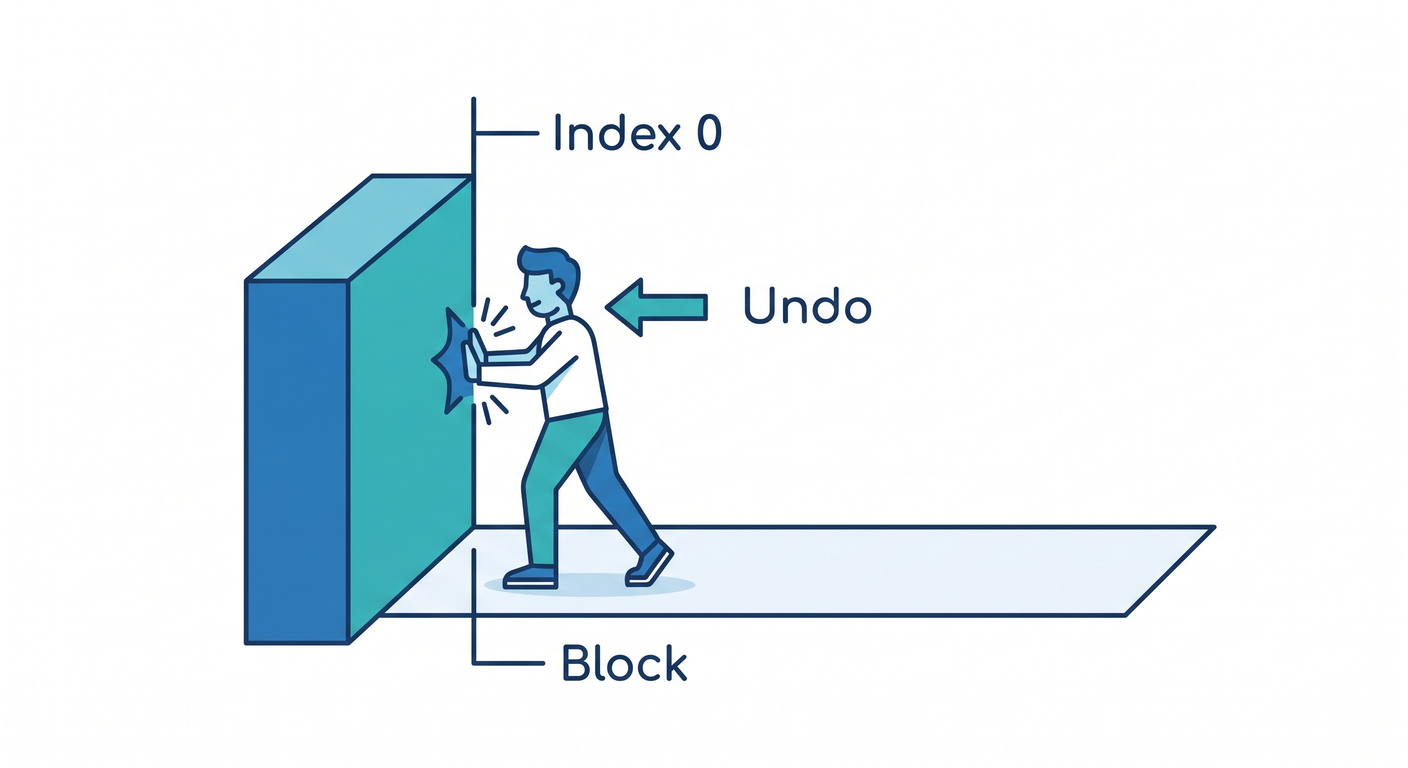
Undo/Redoは 境界ケースが命!
- 0回目より前にUndoできない
- 最後より先にRedoできない
- Undo後のpushでRedoが捨てられる
Nodeの node:test は **安定版(stable)**として使えるよ(Node v20で安定化、node:testで書ける)🧪 (nodejs.org)
(Vitestも人気で、4.x系が出てるよ🧁) (MDNウェブドキュメント)
// history.test.ts
import test from "node:test";
import assert from "node:assert/strict";
import { createHistory, push, undo, redo, current } from "./history";

test("undo/redo basics", () => {
  const h0 = createHistory(0);
  const h1 = push(h0, 1);
  const h2 = push(h1, 2);

  assert.equal(current(h2), 2);

  const hUndo = undo(h2);
  assert.equal(current(hUndo), 1);

  const hRedo = redo(hUndo);
  assert.equal(current(hRedo), 2);
});

test("cannot undo past the beginning", () => {
  const h0 = createHistory("A");
  const hUndo = undo(h0);
  assert.equal(current(hUndo), "A");
});

test("push after undo discards redo future", () => {
  const h0 = createHistory(0);
  const h1 = push(h0, 1);
  const h2 = push(h1, 2);

  const hUndo = undo(h2);      // current = 1
  const hNew = push(hUndo, 99); // 未来(2)を捨てる

  assert.equal(current(hNew), 99);

  const hRedo = redo(hNew); // もう進めない(99が最後)
  assert.equal(current(hRedo), 99);
});
7) よくあるつまずき集😵💫🩹
つまずき①:Undoしたのに状態が変わらない(または全部一緒に変わる)😇
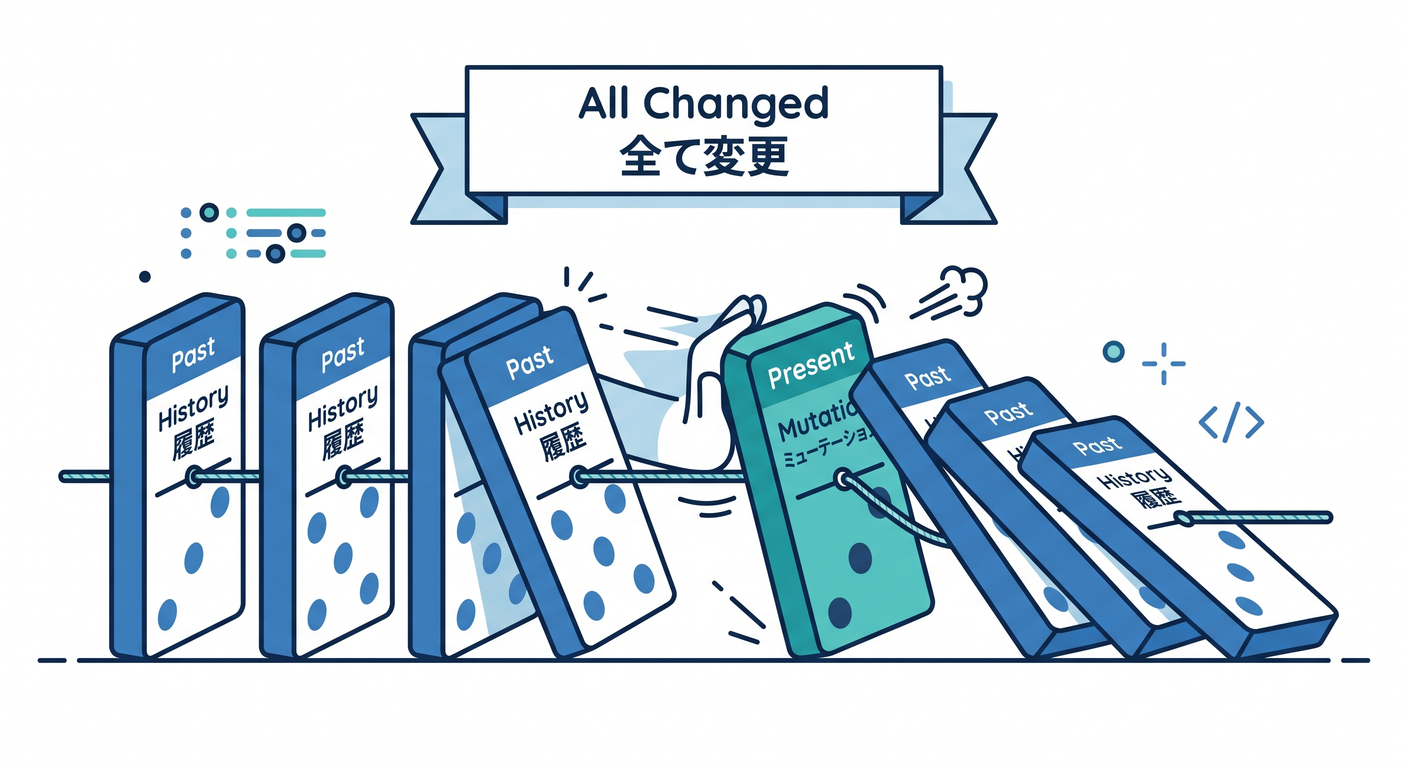
- だいたい **どこかでミューテート(破壊的変更)**してる
- 学習中は
push(..., { clone: structuredClone })を付けると原因が炙り出しやすい🔥 (GitHub)
つまずき②:Redoが変な未来に行く🌀
- Undo後にpushしたら、Redo側は必ず捨てる(分岐を許さない設計)🗑️
つまずき③:履歴が重くてメモリが心配🐘
pushのmaxを使って 最大履歴数を制限しよ✅- 状態が巨大なら、次章(第80章)でやる **Command方式(差分)**も検討だよ💪
8) AIに頼むならここが強い🤖💡(コピペOK)
TypeScriptでUndo/Redoを作りたいです。
要件:
- 状態はimmutable(破壊的変更なし)
- 履歴は states配列 + index
- undo/redo/push(undo後pushでredo破棄)
- 境界ケース(先頭undo/末尾redo/max制限)も考慮
出力:
1) 最小コード
2) 境界ケースのテスト案
3) よくあるバグと対策
9) 理解チェック✅🎀
- Undo後に編集したら Redoは捨てるって説明できる?🗑️
-
states[]とindexの役割を言える?🧭 - 状態をミューテートすると何が壊れるか言える?😇
-
maxで履歴を切る理由を言える?🐘➡️🧁
ミニ演習🛠️✨
max: 30を付けて、31回pushしたら一番古い状態が捨てられるのをテストしてみよ📉Orderにnote: stringを追加して、メモ編集でもUndo/Redoできるようにしてみよ📝- わざと
order.items.push(...)みたいな破壊的変更を入れて、Undoが壊れるのを観察してみよ👀💥(学びが深い!)